
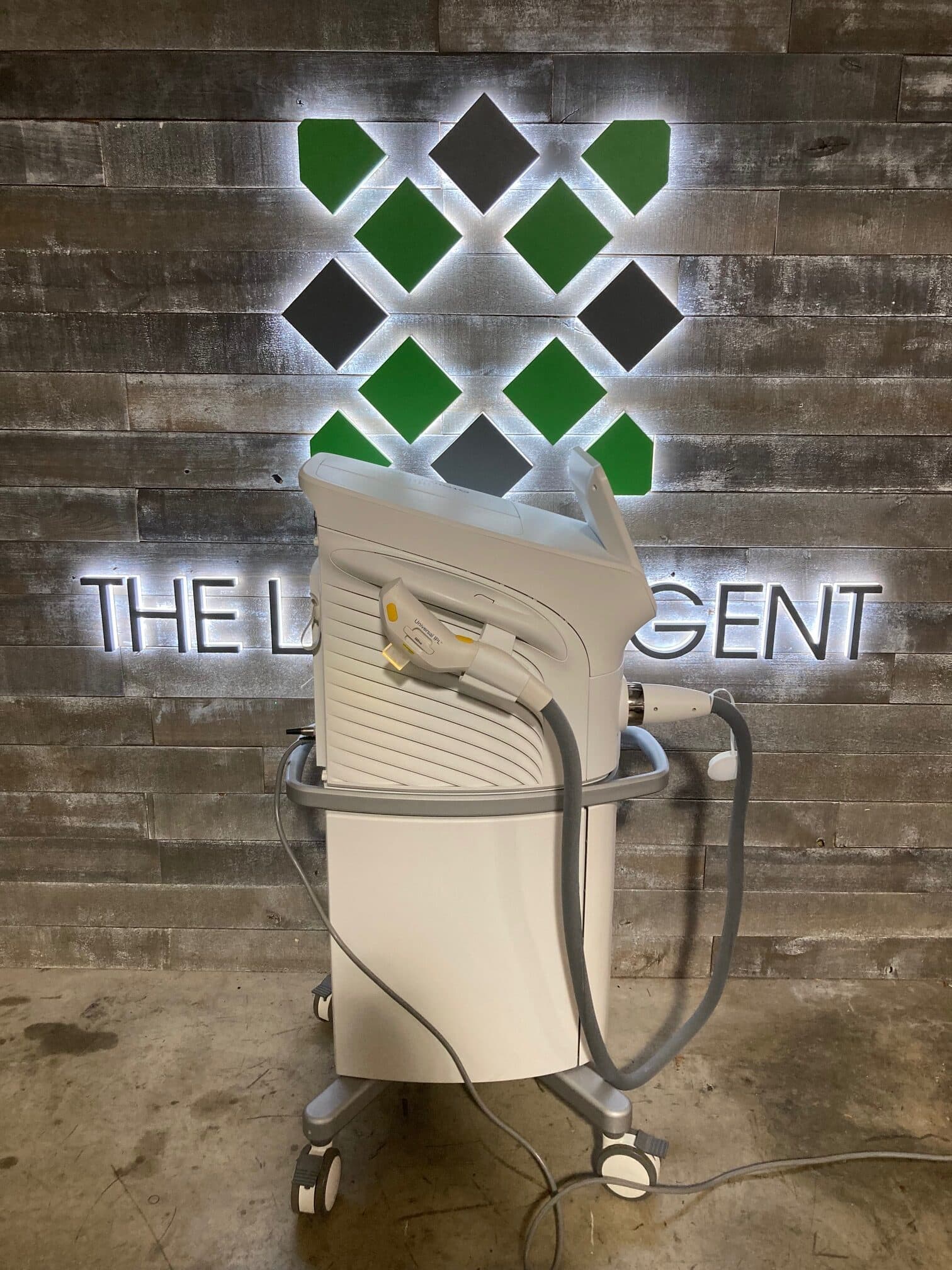
 Two numbers show up in almost every used laser listing, and most buyers glance at them without fully understanding what they mean or how to use them. Shot count and handpiece life sound technical, but they are the two most practical pieces of information available when you are evaluating whether a used laser for sale is a sound investment or a hidden cost waiting to surface.
The problem is that these numbers mean different things on different platforms, and without context, they can be misleading in either direction. A high shot count on one machine may still leave years of clinical life. A low shot count on another might be closer to the end than it appears. Handpiece life adds another layer, because a machine with a healthy laser source and worn-out handpieces will underperform just as badly as one with the opposite problem.
This blog gives you the framework to read both numbers accurately, understand what they actually tell you about the machine’s condition, and use them together to evaluate any used cosmetic laser equipment for sale with confidence.
What the Shot Count Actually Tells You
The shot count, sometimes called the pulse count, is a cumulative record of how many times the laser has fired. It functions as the machine’s odometer: a measure of total clinical use over the life of the device.
Every laser platform has a rated life for its laser source, measured in total pulses. That rated life varies significantly depending on the type of laser source inside the machine. A diode laser may be rated for millions of pulses. An IPL system might be rated for 500,000. A flashlamp-based system may need lamp replacement after a set number of shots, with the rest of the system continuing well beyond that interval.
The shot count on its own is meaningless without the rated life to compare it against. A machine showing 2 million pulses sounds like a lot until you learn the laser source is rated for 15 million. A machine showing 350,000 pulses sounds low until you learn the system is rated for 500,000. The ratio between the current count and the rated life is what tells you how much clinical capacity remains, and that ratio is the first number you should calculate when evaluating any listing.
What the Shot Count Does Not Tell You
The shot count tells you how much the machine has been used. It does not tell you how it was used.
A machine that delivered high-energy treatments consistently will show different internal wear patterns than one that was used primarily for lower-energy applications, even if both machines have the same pulse count. Higher energy settings put more stress on the laser source, the optics, and the cooling system with every pulse. Two machines with identical shot counts can be in meaningfully different conditions depending on the clinical settings that accumulated those pulses.
This is why the shot count is a starting point for evaluation, not the whole picture. It should be combined with performance testing (confirming the laser source still delivers energy at manufacturer specifications) and a review of the service history to understand how the machine was maintained throughout those pulses.
What Handpiece Life Means and Why It Matters Separately
The handpiece is the component that delivers the laser energy to the treatment area. It contains optics, cooling elements, contact surfaces, and in many systems, consumable parts like windows and tips that degrade with use.
Handpiece life refers to how much useful clinical life remains in the handpiece before it needs to be refurbished or replaced. This is a separate consideration from the shot count on the laser source, because handpieces wear at a different rate and are replaced independently of the main system.
A handpiece in a busy clinical practice typically delivers reliable performance for 20,000 to 30,000 pulses before it needs professional attention, which translates to roughly 12 to 18 months of regular use. The window, which is the optical surface where the laser energy exits the handpiece, should be replaced approximately every 250 pulses to maintain consistent energy transmission and beam quality.
When evaluating a used laser listing, the handpiece condition directly affects two things: the machine’s clinical performance on day one, and the cost you will need to spend shortly after purchase if the handpieces are near the end of life. A machine priced attractively but shipping with handpieces that need immediate replacement may cost significantly more than the listing suggests once you factor in replacement parts.
How to Use Both Numbers Together
Shot count and handpiece life are most useful when evaluated as a pair, because together they give you a complete picture of the machine’s current condition and near-term cost of ownership.
- Scenario 1: Low shot count, healthy handpieces: This is the strongest position for a buyer. The laser source has significant life remaining, and the delivery components are in good condition. The machine is likely to perform well for years without major component costs. Verify with performance testing and service records, but the numbers are working in your favor.
- Scenario 2: Low shot count, worn handpieces: The laser source has life left, but the handpieces need attention soon. This can still be a good deal if you factor in the handpiece replacement cost when budgeting. Ask the seller for a handpiece condition report with remaining life estimates, and price the replacements before committing. The total investment (listing price plus handpiece cost) is the real number to evaluate.
- Scenario 3: High shot count, refurbished handpieces: The laser source has been used heavily, but the handpieces have been restored. This tells you the machine has been actively maintained, which is a positive signal. The key question is whether the laser source still delivers the energy specified by the manufacturer. Performance testing answers this. If the output is verified, the machine may still have a meaningful clinical life ahead of it.
- Scenario 4: High shot count, worn handpieces: Both the laser source and the delivery components are approaching the end of life. Unless the price reflects this condition significantly, the total cost of restoring the machine to clinical readiness may exceed the value of the purchase. Approach with caution and get detailed documentation before proceeding.
The Questions to Ask Before You Commit
When evaluating any used laser for sale, these questions give you the clearest picture of what the shot count and handpiece life actually mean for your purchase:
- What is the current shot count, and what is the manufacturer’s rated life for the laser source on this platform?
- Has the energy output been tested recently, and does it meet the manufacturer’s original specifications?
- How many handpieces are included, and what is the remaining useful life estimate for each one?
- When were the handpiece windows last replaced?
- What is the replacement cost for the handpieces if they need attention in the near term?
- Is there a documented service history showing how the machine was maintained throughout its use?
A seller who can answer all of these clearly is offering you transparency. A seller who cannot, or who deflects with vague language about the machine being “low use” or “barely used,” is leaving gaps that could cost you after the sale.
Read the Numbers Before You Read the Price
The listing price for a used aesthetic laser is only meaningful in the context of the shot count and handpiece life, which tell you about the machine’s actual condition. A lower price with high usage and worn handpieces may cost more in total than a higher-priced machine that arrives ready to treat patients. The numbers are there to protect you, but only if you know how to read them.
The Laser Agent provides documented shot counts, handpiece condition reports, and verified performance data on every used cosmetic laser equipment for sale in the inventory.
If you are ready to buy aesthetic lasers and want to evaluate the deal with full transparency, reach out to the team and ask for a complete breakdown on any machine you are considering.
