
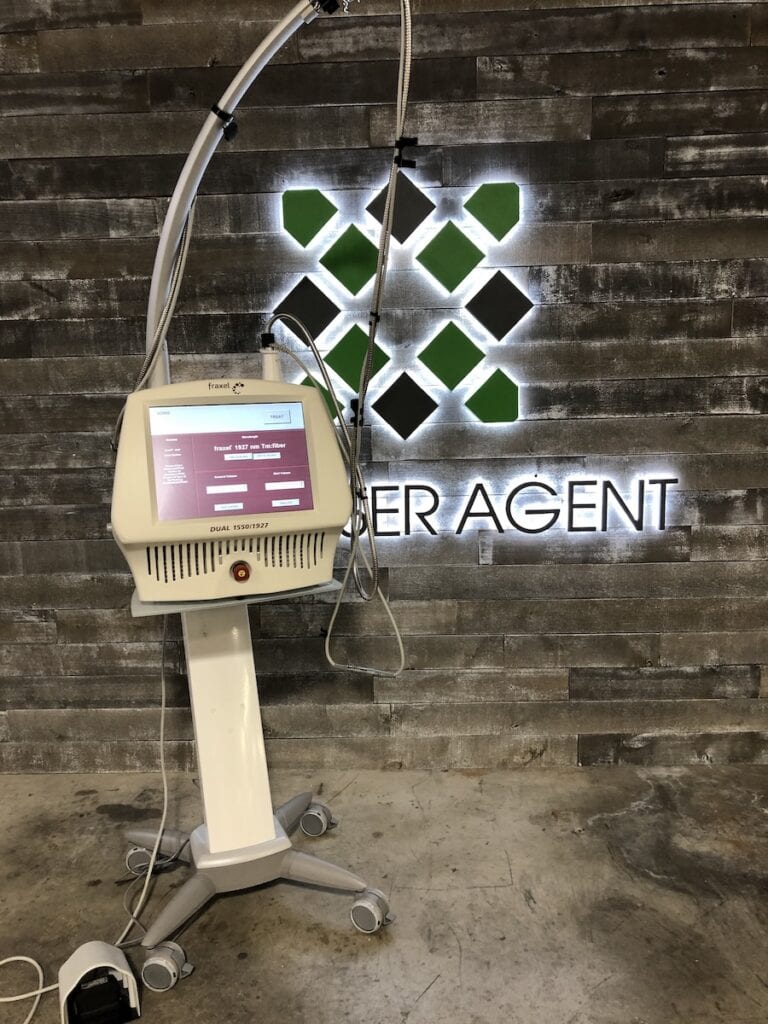
 A cosmetic laser does not stop being clinically effective just because it changed hands. It stops being clinically effective when nobody maintains it.
That distinction matters more than most clinic owners realize. The core technology inside most aesthetic laser platforms has not fundamentally changed in the past decade. A 1064nm Nd:YAG fired from a 2015 machine operates on the same physics as one fired from a newer model. What changes with age is not the capability of the wavelength. It is the condition of the components delivering it.
The real question when you are looking at used cosmetic laser equipment for sale, or comparing used cosmetic lasers for sale across different listings, is not “Is this machine too old?” It is “has this machine been properly restored to the condition where it performs the way it was built to?”
That is exactly what refurbishment answers.
Here is what the process actually involves, what it restores, and how to tell whether a refurbished machine is genuinely ready for your treatment room.
What “Refurbished” Actually Means (And What It Should Mean)
The word “refurbished” gets used loosely in the used laser market, which is exactly why understanding what a proper refurbishment process involves matters before you commit your budget.
Not every seller means the same thing by the term. Some use “refurbished” to mean the machine was powered on, wiped down, and photographed. Others use it to describe a comprehensive, multi-stage process that returns the machine to manufacturer-level performance. From a listing page, those two look identical.
What proper refurbishment should include: inspection of every internal and external component, replacement of worn or degraded parts, recalibration of energy output to the manufacturer’s original specifications, software verification, and functional testing under clinical conditions. The machine should leave that process performing as it was designed to perform. Not just “working.” Performing.
The difference between these two standards is the difference between having a machine you can trust in your treatment room and one you just hope will work.
What the Refurbishment Process Restores
A cosmetic laser is made up of many parts. Each part wears out at its own pace and needs special attention during refurbishment.
- Energy output and calibration: This is the most important part. Over time, a laser’s energy output can move away from its original settings. Refurbishment recalibrates the system so each pulse delivers the right wavelength and energy level, just as the machine was designed. Consistent output leads to consistent treatment results.
- Internal optics and delivery system: Mirrors, lenses, and fiber optics guide the laser beam to the treatment area. Dirt, small damage, or slight misalignment can reduce the beam’s precision. Refurbishment checks, replaces, or realigns these parts so the beam quality is as good as when the machine was new.
- Handpieces and contact components: These are the parts your staff handles, and your patients come into contact with. Worn tips, old cooling systems, or damaged surfaces can affect both treatment quality and patient comfort. Refurbishment fixes or replaces these parts so the clinical experience stays high-quality.
- Software and treatment parameters: Older software can limit the treatment options, spot sizes, or energy ranges you can use. Refurbishment checks the software version and updates it if possible, making sure the machine can offer all the treatments it was designed for.
- Cosmetic and mechanical condition: Things like exterior panels, displays, wheels, and cable management do not affect clinical results, but they do affect how the machine looks in your treatment room. If patients see worn or scuffed equipment, they may judge the quality of care before treatment even begins. Refurbishment takes care of these details so the machine looks as professional as it performs.
Why a Refurbished Machine Can Perform Like New (When Done Right)
The components that determine clinical performance are all replaceable or restorable, which means proper refurbishment does not just extend the machine’s life. It resets the performance to a measurable, verifiable standard.
A laser’s clinical output is based on measurable factors like energy delivery, wavelength accuracy, pulse stability, and beam quality. If a refurbished machine meets the manufacturer’s specifications, it performs just like a new one. Patients, treatment results, and your revenue per session will not notice any difference.
What age actually affects is cosmetic wear (which refurbishment addresses), component fatigue (which refurbishment replaces), and technology generation.
Generation matters for certain advanced features in specific platforms, but for core clinical delivery in most aesthetic treatment categories, the physics has not changed. A refurbished machine that tests to spec is a machine that performs to spec. That is not a sales claim. It is how lasers work.
What to Look for Before You Buy a Refurbished Machine
Not every machine labelled “refurbished” has been through the same process. These verification steps separate a genuine refurbishment from a cosmetic cleanup.
Before you decide, make sure to check:
- Performance test results showing energy output matches the manufacturer’s original specifications
- Documentation of parts that were replaced or serviced during the refurbishment process
- Handpiece condition report with remaining useful life estimates for each piece included in the sale
- Software version confirmed as current or compatible with the treatments you plan to offer
- Warranty from the seller with clear, written terms covering what is included and for how long
- Post-sale service and repair support are available if something needs attention after delivery
If the seller cannot provide these, what you are looking at may have been cleaned and relisted. That is not refurbishment. That is resale. The distinction protects your investment and your patients.
Your Treatment Room Deserves Equipment That Performs, Not Equipment That “Works”
The gap between “old” and “gold” is not about the year on the data plate. It is about what happened to the machine between then and now. A cosmetic laser that has been properly inspected, restored, tested, and verified is not a compromise. It is a clinical-grade machine returned to the performance standard it was built to deliver.
For your treatment room, the real question is not new versus used, but verified versus unverified.
The Laser Agent refurbishes and sells used cosmetic lasers from all major platforms and treatment categories. Each machine is inspected by certified technicians, tested to manufacturer standards, and comes with a warranty before shipping.
If you are ready to buy an aesthetic laser that delivers clinical-grade performance at a fraction of the new pricing, explore the inventory and find what fits your treatment room.
